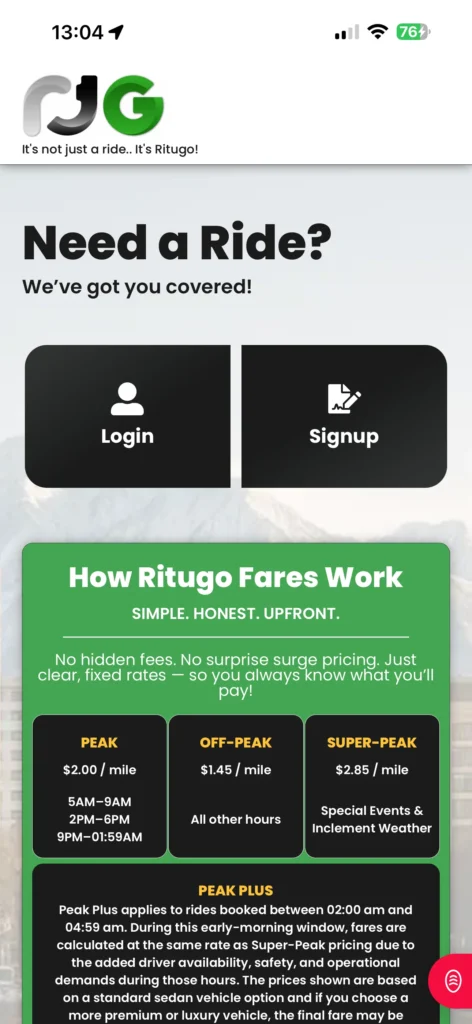
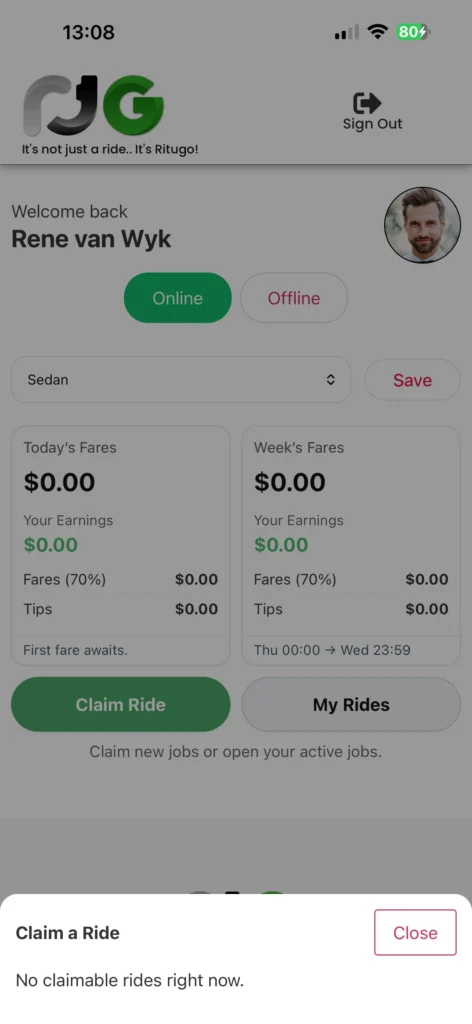
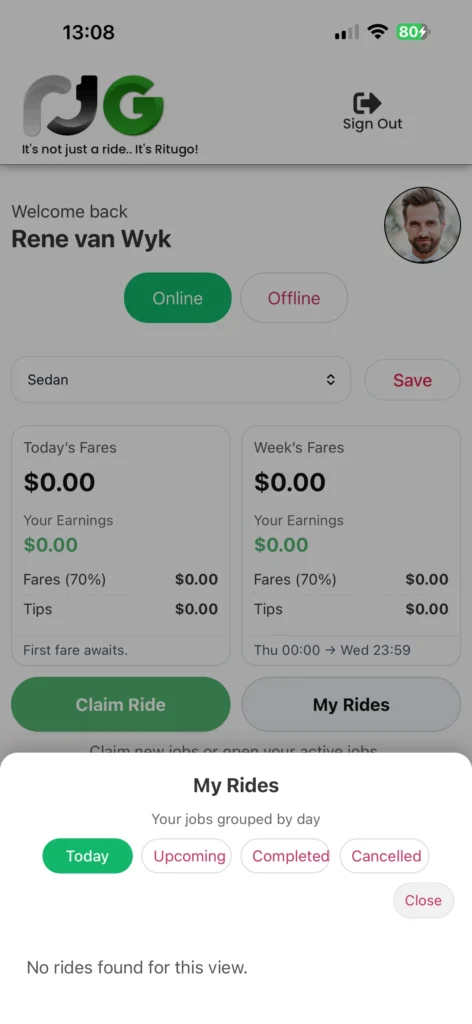
Ritugo.comstarted as a booking demo for a Utah-based rideshare idea. Instead of staying as a simple pay-in-advance website, the project grew into a custom WordPress-powered platform with connected booking, rider, driver, payment and management engines. As the build developed, Square One FX replaced the basic upfront-payment flow with a custom payment setup that charges rides after completion. As a result, this case study shows how a first working version can grow into a practical business system when the real operational needs become clearer.
This project shows how a simple test idea can grow into a working online system. At first, Ritugo only needed a booking demo with advance payments. However, the real business flow changed as the project developed, so Square One FX rebuilt the payment approach around completed rides. As a result, the platform now connects bookings, riders, drivers, payments and management tools in one WordPress-powered system.
The Build At A Glance
A WordPress-powered ride platform with connected booking, payment, driver and management tools.
The project moved from a simple booking demo into a working ride platform. At first, WordPress could handle advance bookings with standard tools. However, the business flow became more complex, so Square One FX added custom engines for bookings, riders, drivers, payments, fare logic and management. As a result, the platform now uses WordPress as the backbone while custom code controls the parts that standard plugins could not handle.
MVP Booking Demo
The project started with a simple booking demo to prove the rideshare idea could work online.
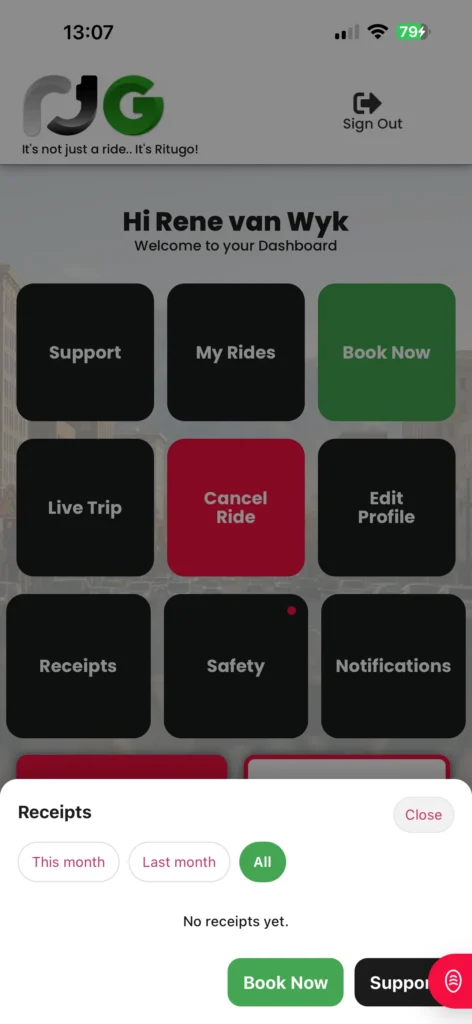
Completion-Based Payments
Riders can book first, while the payment flow charges the ride after completion.
Custom Booking Engine
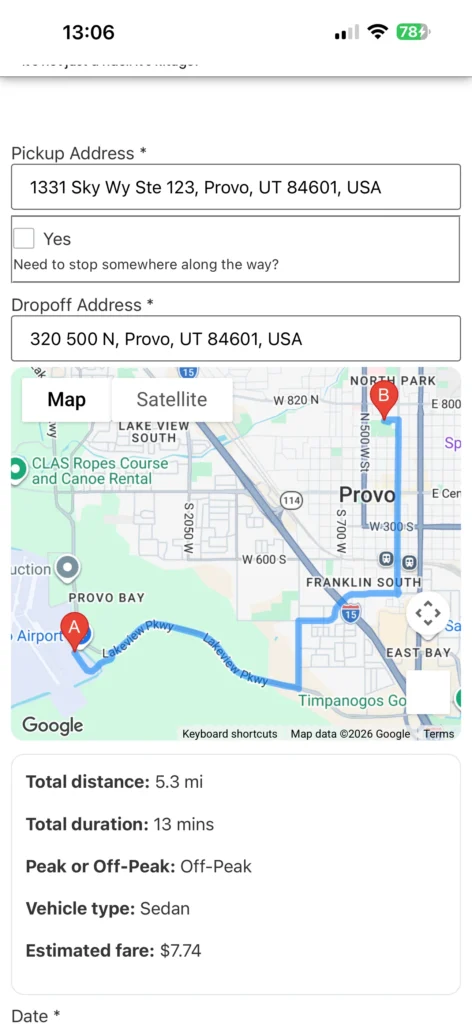
The booking engine handles ride details, stops, pickup times and trip information.
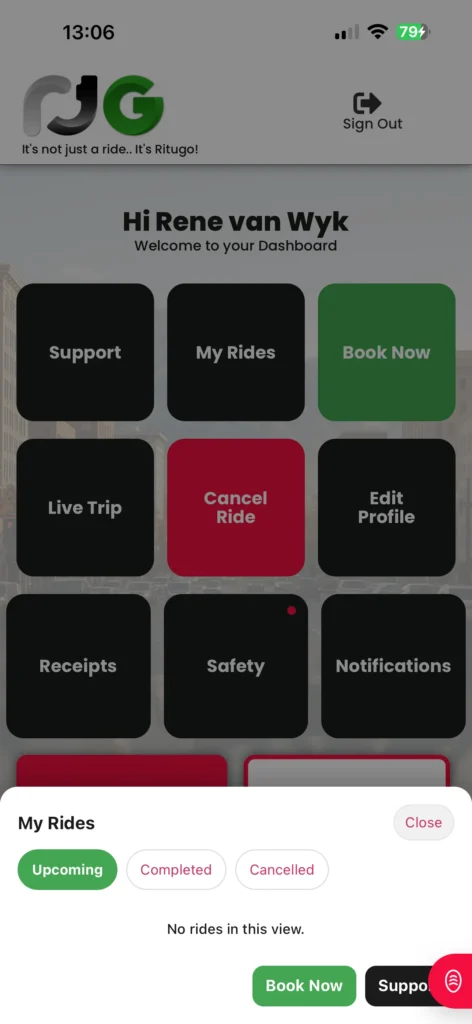
Rider Portal
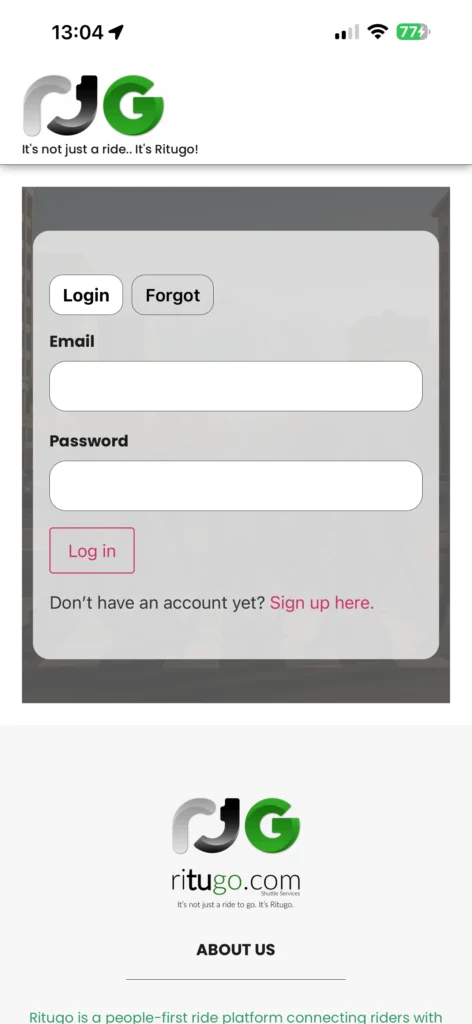
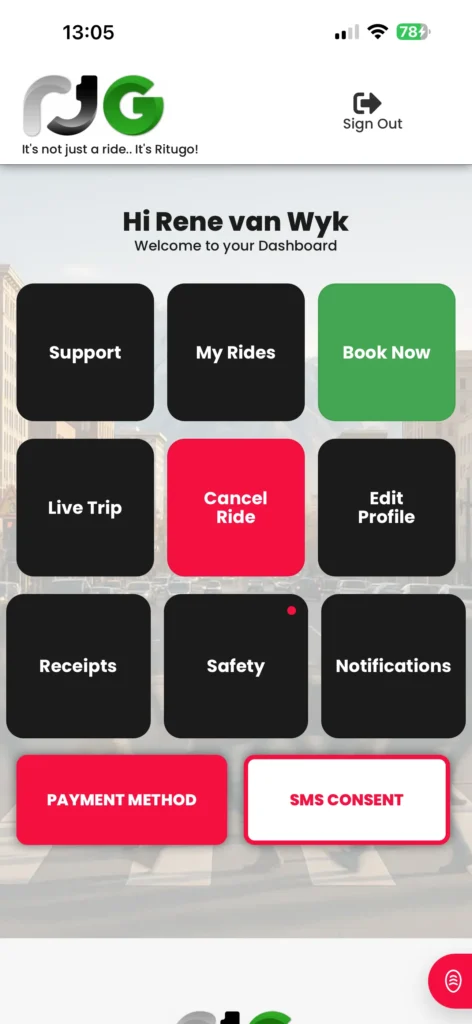
Riders can create accounts, log in and manage their ride booking journey.
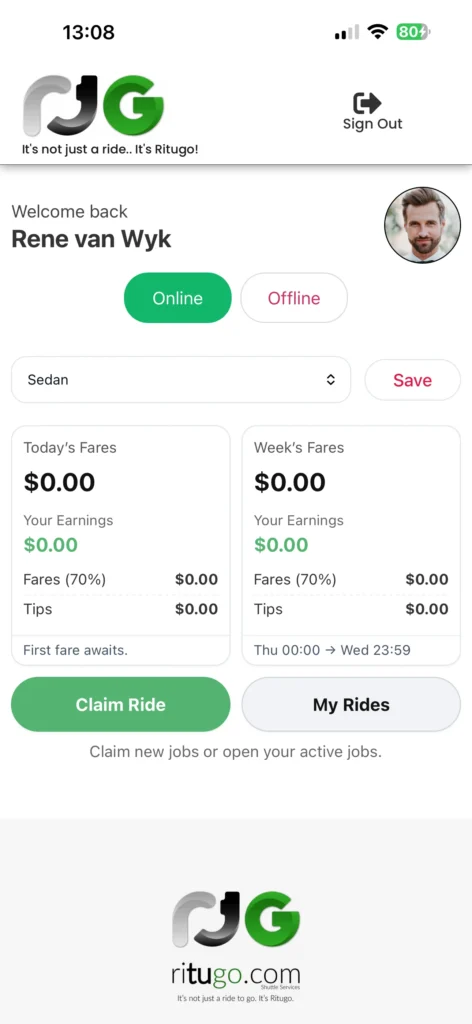
Driver Workflow Engine
Drivers can view ride details, update job progress and support each trip from start to finish.
Management Portal
Management can review rides, drivers, bookings and operational activity from one control area.
Overall Build Time
Continuous planning, development and testing turned a booking demo into a working WordPress-powered ride platform.
0Months
Payment Gateway
Payments changed from upfront charges to completion-based charging, which required careful flow and gateway testing.
0Months
Booking Engine
Ride requests, pickup details, stops and trip flow needed custom logic beyond a normal booking plugin.
0Months
Communications
SMS and email updates needed reliable triggers across booking, driver, rider and admin activity.
0Months
Driver Engine
Drivers needed ride access, job progress tools and a cleaner workflow from claim to completion.
0Months
Rider Engine
Riders needed accounts, booking access and a simple journey that supported real ride requests.
0Months
Built Over Time, Tested for Real Use
Custom ride platforms cannot rely on guesswork. Because bookings, payments, drivers, riders and messages all affect real trips, every engine needs planning, building, testing and fixing. As the Ritugo platform grew, Square One FX tested each part so the system could support real users, real payments and real operational decisions. That careful process takes time. It protects the final product.
The Challenge
Turning one booking idea into several connected business engines.
Ritugo quickly moved beyond a normal booking website. At first, the project only had to prove that riders could request and pay for rides online. However, the real operating flow required connected engines for riders, drivers, bookings, payments and communication. Because of this, Square One FX had to plan the platform as one system, where each part could support the ride journey while still giving management better control behind the scenes.
Driver Side Engine
Problem: Drivers needed a clear way to receive ride information and manage each trip.
Solution: Square One FX built driver tools that help drivers view ride details, update job progress and support the ride from claim to completion.
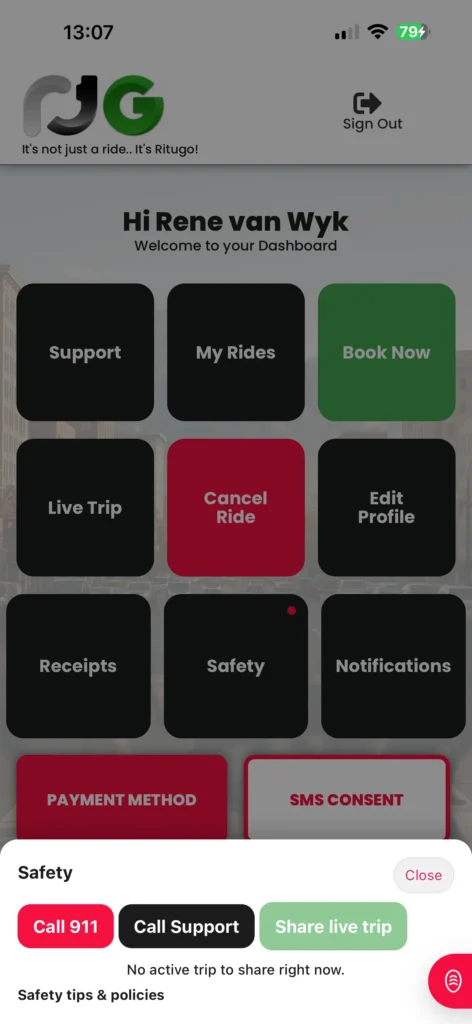
Rider Side Engine
Problem: Riders needed more than a once-off booking form.
Solution: The rider side gives customers account access and a clearer way to move through the booking process.
Booking Engine
Problem: A standard booking plugin could not support the full ride journey properly.
Solution: The custom booking engine handles ride requests, pickup details, stops, trip information and booking flow structure.
SMS and Email Engine
Problem: Riders, drivers and management needed better communication around ride activity.
Solution: The messaging engine supports important ride updates through email and SMS-style communication.
Payment Gateway Engine
Problem: The original advance-payment idea did not match the real ride process.y.
Solution: Square One FX changed the payment flow so rides could be charged after completion instead of only before the trip.
The Solution
Building one connected platform instead of separate disconnected tools.
Square One FX kept WordPress as the backbone, but the project needed custom logic around the parts that normal plugins could not handle properly. Therefore, each engine was planned to work with the others, not as a separate piece. Bookings, riders, drivers, payments and communication all had to share the same ride journey. As a result, Ritugo became a connected platform instead of a basic booking website.
What is Ritugo?
Ritugo is a Utah-based rideshare platform that allows riders to request rides online while drivers and management handle the trip workflow through connected tools.
Did Square One FX build Ritugo as a normal website?
No. Ritugo started as a booking demo, but the project grew into a custom WordPress-powered platform with booking, rider, driver, payment and communication engines.
Why did Ritugo need custom development?
A normal booking plugin could not support the full ride process. Therefore, Square One FX created custom logic for ride flow, payments, driver actions and management visibility.
Why did the payment system change?
The first version used advance payments. However, the real service needed a better flow, so Square One FX changed the system to charge rides after completion.
What does this case study prove?
This case study shows how Square One FX can take a simple online idea and grow it into a practical system that supports real business operations.
Can Square One FX build similar systems for other businesses?
Yes. The exact features will differ, but the same thinking can support booking tools, business portals, dashboards, payment flows and custom workflow systems.
Ritugo Case Study FAQ
Simple answers about the project, the build and what this case study shows.
Free System Review
Let’s Review What Your Business Needs Online
Tell us what your business currently has in place, and we’ll review where your website, online store, booking flow or business system can be improved.
WordPress Website Option
Interested in this WordPress website option?
Send us your details and we’ll help confirm whether this is the right option for your business.
Online Store Option
Interested in this online store option?
Send us your details and we’ll help confirm whether this is the right WooCommerce store option for your business.
Custom Web Development
Tell us about your custom web development project
Send us the basic project details and we’ll help confirm whether custom development is the right direction for your website, system or web application.